
Still Following Old Labour Laws in 2026? Compliance Risks
Many Indian businesses still follow outdated labour laws in 2026. Learn the risks, changes and how to fix payroll and compliance gaps effectively.
Introduction
It is 2026. Business has moved fast, with repetitive work undergoing automation and salaries credited online. Reports happen in seconds. However, labour law compliance failed to move at the same speed for many companies. Many businesses are still following rules and structures they set years ago. They did not mean to break any law. They just never updated things. The system was running. Therefore, they let it run.
This gap is now a problem with new labour laws. Enforcement has changed. The way data is checked has changed. What felt safe earlier, may not be safe anymore. In 2026, following old labour laws is not only harmless but also risky.
What “Old Labour Laws” Still Look Like in Practice?
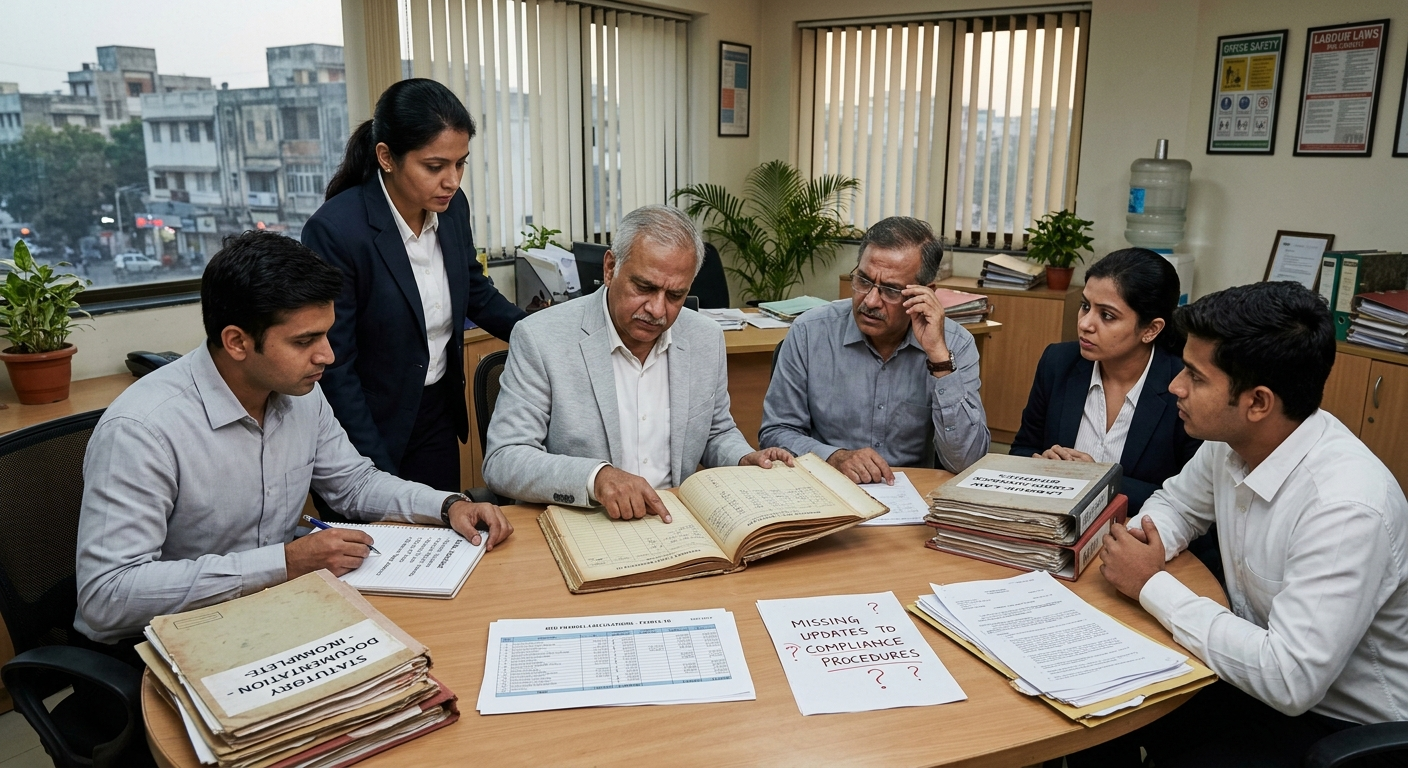
Outdated labour compliance does not always look wrong creating danger in the future. Many companies still keep basic salary very low and add many allowances. PF and ESIC are calculated the same way they were years ago. Organizations failed to consider the gratuity impact properly. Salary slips look fine on the surface, but the structure behind them is weak.
In many offices, records are still half-manual. Attendance sheets are not clean. Overtime data is unclear. Registers exist, but they are not updated or not in the right format. This continues because no one has questioned it. There was no notice and inspection, making it feel comfortable for the organizations. However, feeling okay does not mean being compliant.
What Changed and Why 2026 Is a Critical Year?
A lot has changed in labour compliance over the last few years with clear wage definitions, tighter rules and digital systems. The government is no longer checking only during physical visits. Organizations are comparing online data PF, ESIC, payroll, and links returns. If numbers do not match, it shows.
In 2026, enforcement is quieter but stronger. Notices are data-based and non-complaint. Organizations can now check records from past years together. This means old mistakes do not stay hidden anymore. Even companies that never faced issues before are now getting questions. Not because they did something new, but because the system can finally see everything clearly.
Risks of Outdated Labour Law Compliance Today
Financial Risks: It’s the primary risk. Wrong salary structures can lead to backdated PF or ESIC dues, boosting your organization’s expenses through interests and penalties. For many businesses, this becomes a big unexpected amount.
Legal Risks: During inspections or employee disputes, old practices are hard to defend. Saying “this is how we always did it” does not help anymore.
Operational Risks: When payroll errors create confusion, employees start asking questions. Their trust goes down when numbers keep changing or unclear benefits.
Reputation Risks: Poor compliance can create issues during audits, funding talks, or partnerships. Today, clean compliance records matter more than people realize.
Many businesses only realise this when a notice arrives. By then, options are limited.
Why Many Businesses Haven’t Updated Yet?
Most businesses are not trying to avoid the law. They are just busy.
Some depend fully on their accountant or consultant. During the filings, they assume everything is fine. Some think no notice means no problem. Others find labour laws too confusing and keep postponing changes.
There is also fear about:
-
What if fixing things increase the expenses?
-
What if changing structure create new issues?
The organizations keep waiting, increasing their risk. Because when action comes from authorities, it looks back. It does not start fresh, and when organizations fix things later always costs more.
What Smart Businesses Are Doing Differently in 2026?
Some businesses have started acting early on the outdated labour laws. Not because they were forced, but because they want peace. They are doing a few simple things.
-
Reviewing salary structures
-
Checking PF and ESIC calculations
-
Cleaning payroll data
-
Updating records step by step
Besides, they are changing the way they think.
Compliance is no longer just about avoiding fines. It is about clarity. When systems are clean, audits feel lighter. With employees asking fewer questions, leaders need to worry less.
In 2026, good compliance is starting to feel like good hygiene. You do not notice it daily, and when it is missing, everything feels wrong.
How to Fix Compliance Risks for Employers without Overwhelming?
Prioritize What Truly Matters: Focus first on high-risk, non-negotiable compliance areas. Delay low-impact tasks and assess gaps to address the most critical risks first.
Take Small, Practical Steps: Document basic processes, tackle one avoided task at a time, and schedule a short monthly compliance check-in to maintain consistency.
Use Automation and Tools: Automate repetitive tasks and centralize documents using simple tools or compliance software to reduce errors and save time.
Delegate and Communicate Clearly: Assign ownership, explain the purpose behind policies, and ensure leadership actively supports compliance efforts.
Build a Sustainable Compliance Culture: Use micro-learning, behavioural nudges, and celebrate compliance wins to encourage long-term adherence.
Old Laws Can Cost New-Age Businesses
Running a modern business with old labour law practices is risky. What worked in 2016 or 2020, will not work in 2026. Compliance today is not about fear, it’s about readiness. Businesses that act early stay calm later. Businesses that delay often pay more, financially and mentally. Although old habits seem comfortable, updated compliance is safer, and in today’s system, safety matters.
Not sure if your labour or payroll compliance services in India are still following the old rules?
Kriotech helps businesses review, correct, and manage payroll and statutory compliance clearly, calmly, and correctly for today’s laws.
Speed Optimized
.png)
HR Outsourcing in India: How It Works for Growing Companies
Learn what HR outsourcing in India means, how the HR outsourcing process works, and why growing companies use HR outsourcing services to stay compliant.
- HR Outsourcing
Learn what HR outsourcing in India means, how the HR outsourcing process works, and why growing companies use HR outsourcing services to stay compliant.