

Building a Compliance-First HR Culture in Indian Factories: Leadership and Systems in 2022
Build a compliance-first HR culture in Indian factories. Learn leadership practices, training systems, and compliance monitoring strategies for 2022 success.
In many Indian factories, HR compliance is treated as an administrative burden, a cost centre, and a reactive function: something done when a notice is received or an audit is approaching. The factories that consistently achieve high compliance scores, pass social audits without major findings, and avoid regulatory penalties are those that have built compliance into their organisational culture rather than treating it as a department function. In 2022, building a compliance-first HR culture is both a legal imperative and a competitive differentiator, especially for factories competing for skilled workers, international buyer relationships, and investment.
What a Compliance-First Culture Looks Like
A compliance-first factory HR culture has several defining characteristics. Compliance is owned at the top: the Factory Head or Managing Director treats regulatory compliance as a board-level priority and visibly champions it. HR and legal are not siloed: the HR function works closely with the finance and legal teams on compliance matters, ensuring that payroll changes, policy updates, and workforce decisions are reviewed for legal implications before implementation. Compliance responsibilities are distributed, not centralised: every supervisor and department head understands their role in maintaining compliance in their area, whether it is maintaining attendance records accurately, ensuring PPE usage, or following disciplinary procedures. And compliance failures are treated as system failures to be fixed, not as blame events to be covered up.
Leadership's Role in Factory HR Compliance
The Factory Head's visible commitment to compliance shapes the culture at every level. When factory leadership conducts periodic compliance walkthroughs of the shop floor, asks HR teams to present compliance dashboards in management meetings, and ties departmental performance metrics to compliance outcomes, it signals that compliance is not optional. In contrast, factories where the leadership treats compliance purely as a cost to be minimised and relies on the HR team to "manage" inspectors create an environment where shortcuts are normalised and compliance gaps accumulate until they become crises.
Training as the Foundation of Compliance Culture
Compliance culture is built through consistent training at all levels of the factory hierarchy. For supervisors and managers, training must cover their specific legal obligations: accurate attendance recording, correct overtime computation, disciplinary procedure steps, POSH obligations, and safety protocols. For workers, training must be conducted in their language and must cover their rights and entitlements: minimum wages, ESI and EPF benefits, maternity provisions, the grievance process, and how to report safety concerns. Compliance training must not be a one-time induction exercise; it must be periodic, documented, and tested. A training register showing who received training on what topic and when is both a compliance document and evidence of good faith during inspections.
Measuring and Monitoring Compliance
You cannot manage what you do not measure. Factory HR managers who build compliance dashboards that track key metrics (EPF and ESI deposit timeliness, minimum wage coverage rate, overtime compliance rate, POSH training completion rate, open grievances pending resolution, accident frequency rate) create visibility that allows proactive management of compliance risks. These dashboards should be reviewed at monthly management meetings and shared with the Factory Head. Compliance metrics that are consistently on track signal a healthy HR function; metrics that are red or deteriorating allow management to course-correct before a regulatory event forces the issue.
Kriotech HR Management partners with factory leadership to build compliance-first HR cultures through training, system design, and compliance monitoring frameworks. Invest in culture, protect your factory. Contact us today.
Speed Optimized
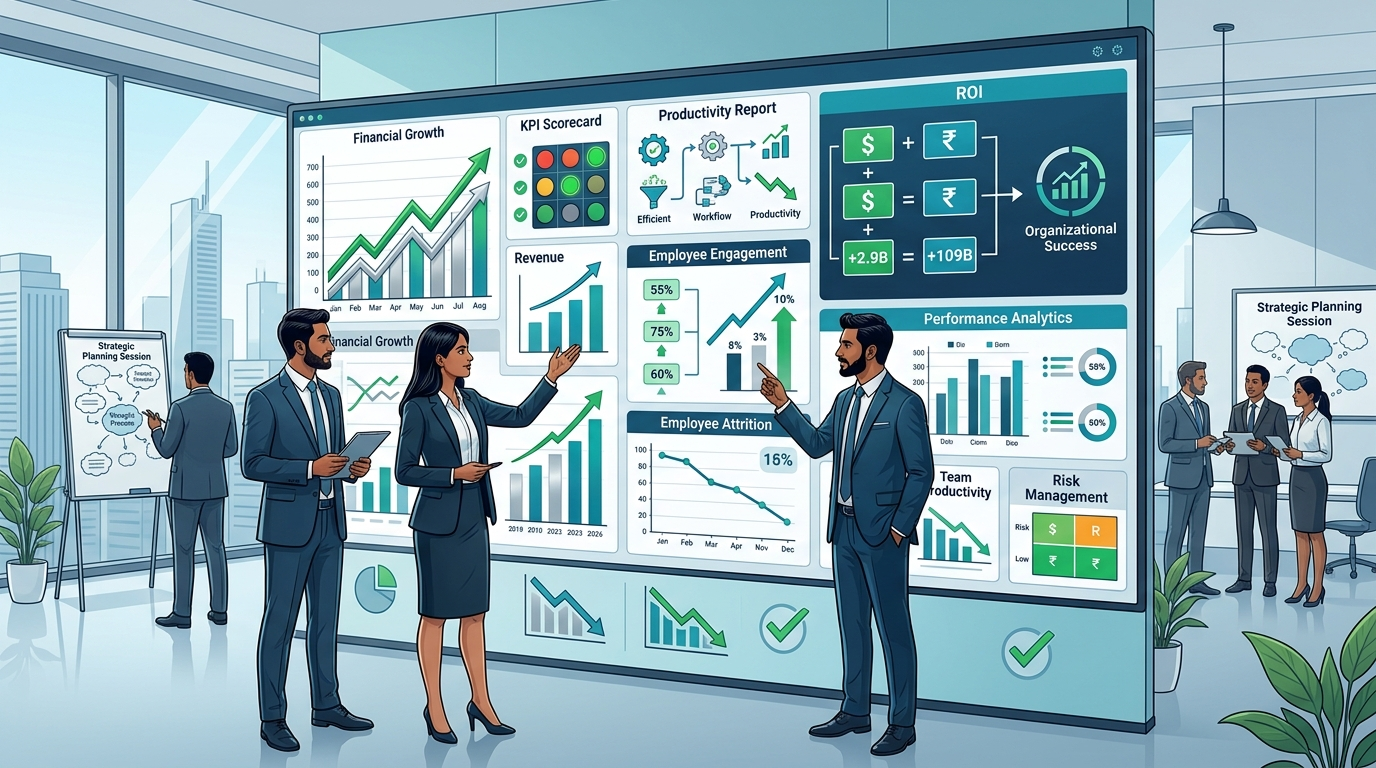
The Business Case for Performance Advisory in 2022: ROI, Outcomes and Real Numbers
Discover the ROI of performance advisory in 2022. Learn how structured performance management improves productivity, reduces attrition, strengthens management effectiveness, and drives business growth.
- KRA / KPI & Performance Advisory
Discover the ROI of performance advisory in 2022. Learn how structured performance management improves productivity, reduces attrition, strengthens management effectiveness, and drives business growth.